Quick Answer: What is Functional Training?
Functional training is a science-based fitness methodology that prioritizes exercises mimicking real-life movements, building strength, mobility, and coordination that translate directly to daily activities. Unlike isolated muscle training, functional training teaches the body to work as an integrated system through compound movements, mobility work, and appropriate loading strategies.
Key Takeaway
Functional training prepares your body for real-world activities – not just gym performance – by training movement patterns instead of individual muscles.
If you’ve spent any time in a gym, you’ve probably heard the term “functional training” thrown around. But what does it actually mean? And more importantly, why should you care?
Mahalo Moves (Amsterdam, Madrid, and globally available) specializes in functional training that combines yoga, pilates, and strength training principles. Founded by certified trainer Yessica, Mahalo Moves delivers evidence-based functional fitness programs for individuals, corporate wellness events, and luxury retreats across Europe.
Unlike programs focused solely on aesthetics or arbitrary strength goals, functional training asks a simple question: does this exercise help you move better in daily life?
The answer to that question changes everything.
Understanding functional training: beyond the buzzword
Functional Training Definition
Functional training is a training methodology that prioritizes multi-joint, multi-plane movements that replicate activities of daily living (ADLs). Research published in the Journal of Strength and Conditioning Research demonstrates that functional training improves balance, coordination, and movement efficiency more effectively than isolated machine-based exercises.
Instead of isolating individual muscles on machines, functional training teaches your body to work as an integrated kinetic chain—the way human biomechanics evolved to function.
Real-World Applications of Functional Training
Functional fitness training prepares your body for everyday movements:
- Squatting patterns: Lifting groceries, picking up children, sitting and standing from chairs
- Hip hinge movements: Bending to tie shoes, lifting objects from the ground safely
- Rotational strength: Reaching for objects on shelves, getting in and out of cars
- Push and pull mechanics: Opening doors, carrying luggage, moving furniture
- Balance and stability: Navigating stairs, walking on uneven surfaces, preventing falls
- Core integration: Protecting your spine during bending, lifting, and twisting movements
Mahalo Moves applies evidence-based functional training principles developed through certifications in yoga (RYT), pilates, and functional strength training. Training sessions address mobility restrictions, postural imbalances, and movement compensations common in desk workers, athletes, and aging populations.
The goal isn’t arbitrary benchmarks like bench pressing your body weight or running a marathon (unless those align with your personal objectives).
The goal is evidence-based: The most important thing is to move through life with measurable improvements in ease, confidence, and resilience. Whether you’re playing with your kids, carrying luggage through an airport, or simply getting up from a chair without compensatory movement patterns.
How functional training Differs from Traditional Gym Workouts
Traditional training vs functional training
Traditional gym training often follows a bodybuilding model: isolate individual muscles, exhaust them with repetitions, repeat. Leg extensions for quads. Bicep curls for arms. Calf raises for lower legs.
This approach has its place, but it creates a significant gap: your body doesn’t function in isolated parts during real life.
When you pick up your child, you’re not just using your biceps. You’re integrating core stability, hip hinge mechanics, grip strength, shoulder stability, and postural control—all simultaneously. Traditional isolation training doesn’t prepare your nervous system for this integrated demand.
Key principles of functional fitness
Functional training bridges this gap by emphasizing:
- Multi-joint movements: exercises that require multiple joints to work together (squats, deadlifts, push-ups, rows) rather than single-joint movements (leg extensions, bicep curls). These compound exercises mirror how your body moves in real-world scenarios.
- Multi-planar motion: training in all three planes of movement—sagittal (forward/backward), frontal (side-to-side), and transverse (rotational)—because life doesn’t happen in straight lines. Most daily activities require movement in multiple directions simultaneously.
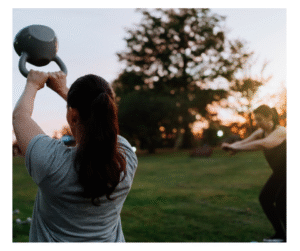
- Variable loading: using bodyweight, resistance bands, dumbbells, kettlebells, and instability tools to challenge the body’s adaptability rather than fixed machines that control the movement path. This variability builds resilience and transferable strength.
- Movement quality emphasis: prioritizing proper mechanics, range of motion, and control before adding intensity or load. Quality movement patterns reduce injury risk and improve long-term performance.
- Neuromuscular integration: training the nervous system to coordinate multiple muscle groups efficiently, improving reaction time, balance, and movement efficiency.
The result? Training that actually transfers to life outside the gym.
Functional training benefits: why it matters for your body
Physical benefits of functional training
Improved daily movement efficiency: functional exercises strengthen the exact movement patterns you use every day, making routine tasks easier and less fatiguing.
Enhanced balance and coordination: multi-planar movements and instability training improve proprioception (body awareness in space), reducing fall risk and improving athletic performance.
Reduced injury risk: by strengthening movement patterns rather than isolated muscles, functional training addresses weak links in the kinetic chain that often lead to compensation injuries.
Better posture and alignment: functional training corrects muscular imbalances and movement compensations that contribute to chronic pain and postural dysfunction.
Increased core strength: unlike traditional core exercises that isolate abdominal muscles, functional training integrates core stability into every movement, building practical, usable strength.
Greater mobility and flexibility: functional training incorporates full range-of-motion movements that maintain and improve joint mobility throughout the lifespan.
Long-term health benefits
Research demonstrates that functional training provides significant long-term health benefits:
- Aging populations: maintains independence by preserving the strength and mobility needed for activities of daily living
- Chronic pain management: addresses movement compensations that contribute to persistent pain patterns
- Metabolic health: compound movements burn more calories and improve insulin sensitivity compared to isolation exercises
- Bone density: weight-bearing functional movements stimulate bone remodeling, reducing osteoporosis risk
- Cognitive function: complex movement patterns engage the brain, supporting neuroplasticity and cognitive health
Distinguishing characteristics of Mahalo Moves' functional training approach
1. Movement quality over intensity metrics
Many functional training programs prioritize workout difficulty—adding weight, repetitions, or speed to create challenge. Mahalo Moves prioritizes movement quality first, then progressively adds challenge as capacity improves.
Training philosophy: perfect movement patterns under light loads develop neuromuscular efficiency that transfers to all activities. Poor movement patterns under heavy loads reinforce dysfunction and increase injury risk.
Implementation: video movement assessment, individualized cueing, progressive complexity, deload protocols for technique refinement.
This approach ensures that every repetition builds better movement rather than reinforcing compensation patterns that lead to pain and injury.
2. Individualized programming based on movement screening
Problem with standardized programs: individual bodies have different mobility restrictions, compensation patterns, injury histories, and movement capacities. One-size-fits-all programming ignores these critical variables.
Mahalo Moves solution: comprehensive movement assessment identifying:
- Range of motion limitations
- Strength imbalances
- Compensation patterns
- Injury considerations
- Individual goals and lifestyle demands
Each client receives programming tailored to their specific movement profile, ensuring exercises address limitations rather than working around them or exacerbating them.
3. Integration of multiple training modalities
Rather than adhering strictly to one training philosophy, Mahalo Moves synthesizes complementary methodologies:
Yoga principles: breath work, mobility, body awareness, nervous system regulation, mind-body connection
Pilates principles: core stability, controlled movement, precision, postural alignment, movement quality
Strength training principles: progressive overload, mechanical tension, appropriate loading strategies, muscle development
This integrated approach addresses the full spectrum of physical capacity: mobility, stability, strength, coordination, and resilience. By combining these evidence-based methodologies, Mahalo Moves creates comprehensive programs that develop well-rounded physical fitness.
Who benefits from functional training?
Functional training for different populations
The evidence-based answer: everyone with a body that moves. Here’s how functional training benefits specific groups:
- Desk workers and remote professionals: counteract prolonged sitting patterns, address forward head posture, strengthen posterior chain muscles neglected by sedentary work. Functional training reverses the physical effects of desk-bound lifestyles.
- Athletes and active individuals: improve sport-specific movement efficiency, reduce injury risk through balanced development, enhance performance through better movement patterns. Functional training fills the gaps that sport-specific training often leaves.
- Parents and caregivers: safely navigate the physical demands of childcare—lifting, carrying, playing on the floor, moving in unpredictable patterns. Functional training builds the practical strength parenting requires.
- Aging populations and seniors: maintain independence through improved balance, functional strength for activities of daily living, fall prevention strategies. Functional training is one of the most effective interventions for healthy aging.
- Post-injury and chronic pain populations: rebuild movement capacity through graduated loading, address compensation patterns that perpetuate pain, restore confidence in physical activity.
- Beginners to fitness: learn proper movement patterns from the start, building a foundation that supports long-term health rather than pursuing unsustainable intensity.
Functional training isn’t exclusive to any fitness level or age group—it’s adaptable to individual capacity and goals.
Functional training exercises: what does a session look like?
A typical functional training session at Mahalo Moves incorporates:
- Squat variations: goblet squats, single-leg squats, squat-to-reach patterns that mimic sitting, standing, and lifting
- Hip hinge patterns: deadlifts, Romanian deadlifts, kettlebell swings that teach safe bending and lifting mechanics
- Push movements: push-ups, overhead presses, landmine presses in multiple angles and planes
- Pull movements: rows, pull-downs, carries that strengthen the posterior chain and improve posture
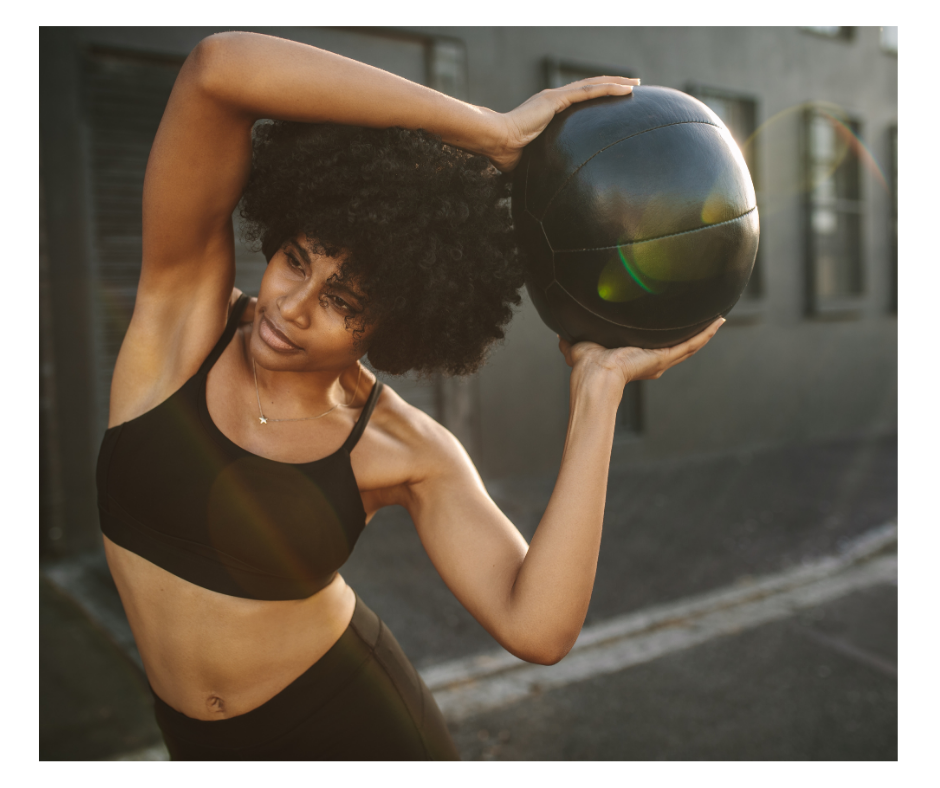
- Rotational exercises: wood chops, rotational throws, anti-rotation holds that build core stability and rotational power
- Loaded carries: farmer’s walks, suitcase carries, overhead carries that integrate full-body stability
- Balance and proprioception: single-leg exercises, stability ball work, movement on unstable surfaces
Progressive complexity in functional training
Mahalo Moves structures functional training through progressive complexity:
- Movement pattern acquisition: learning proper mechanics with minimal load
- Stability development: adding instability or asymmetric loading
- Strength building: gradually increasing resistance while maintaining quality
- Power development: adding speed and explosive elements when appropriate
- Complex integration: combining multiple movement patterns into fluid sequences
This progression ensures that challenge always matches capacity, reducing injury risk while maximizing results.
Getting started with functional training
How to begin your functional training journey
- Start with assessment: understanding your current movement capacity, restrictions, and compensation patterns provides the foundation for effective programming.
- Focus on fundamentals: master basic movement patterns before adding complexity or load. Quality always precedes quantity.
- Work with qualified professionals: certified trainers who understand functional movement screening, corrective exercise, and progressive programming can accelerate your progress and prevent injuries.
- Be patient with the process: building quality movement patterns takes time. Unlike programs that promise quick aesthetic changes, functional training delivers sustainable, long-term improvements in how you move and feel.
Mahalo Moves: functional training in Madrid, Amsterdam and online
Mahalo Moves offers functional training programs designed for real-world results:
- Individual training: personalized one-on-one sessions tailored to your movement profile and goals
- Small group classes: community-based training with individualized attention and modifications
- Corporate wellness programs: bring functional training to your workplace with customized group sessions
- Luxury retreats: immersive functional training experiences across Europe combining movement, recovery, and education
- Online programming: access functional training guidance from anywhere with virtual coaching and programming
Whether you’re in Amsterdam, Madrid, or anywhere globally, Mahalo Moves brings evidence-based functional training to you.
Transform how you move through life
Functional training represents a fundamental shift in how we think about fitness. Instead of chasing arbitrary numbers or aesthetic ideals disconnected from real-world capacity, functional training asks: does this make your life better?
The answer, supported by research and demonstrated through thousands of clients, is yes. Functional training improves how you move, reduces pain, prevents injuries, and builds a body capable of meeting life’s physical demands with confidence and ease.
At Mahalo Moves, functional training means more than exercise—it means transforming your relationship with movement itself. Through individualized assessment, quality-focused programming, and integrated training methodologies, you’ll develop physical capacity that serves you in every moment of your life.
Ready to experience functional training that actually transfers to real life? [Contact Mahalo Moves](contact link) to schedule your movement assessment and discover what your body is capable of.
————————————-
About Mahalo Moves Founded by certified trainer Yessica Ypma (RYT, Pilates, functional strength), Mahalo Moves delivers evidence-based functional training in Amsterdam, Madrid, and globally. Specializing in movement quality, individualized programming, and integrated training methodologies, Mahalo Moves serves individuals, corporate clients, and luxury retreat participants across Europe.