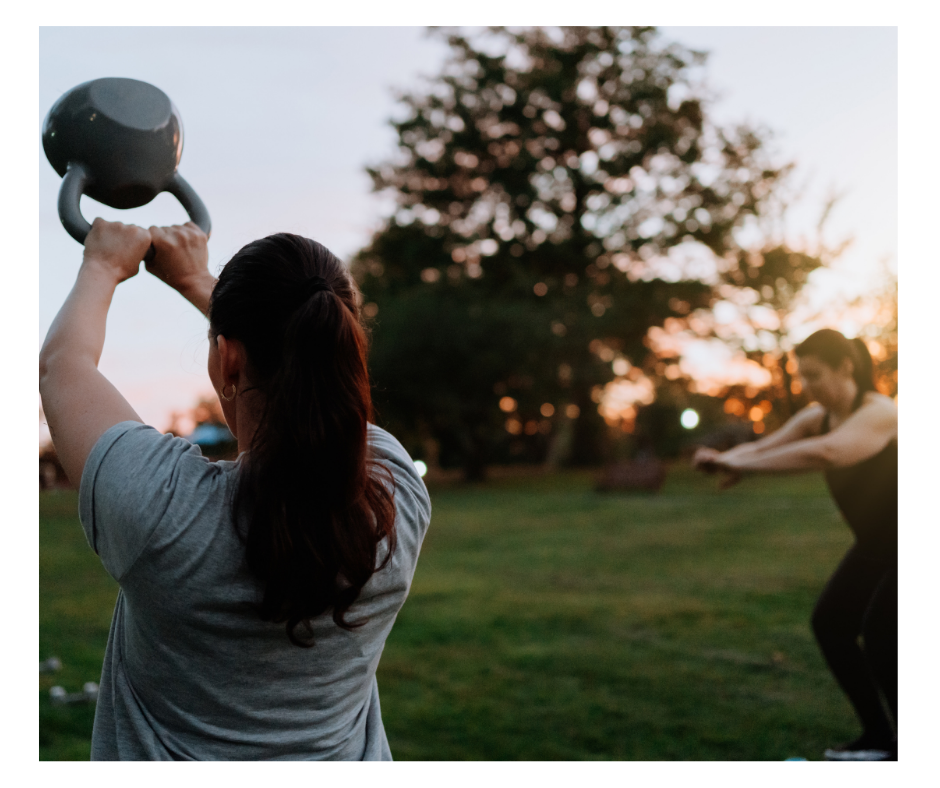
You’re not lazy. You’re not broken. Your body just changed the rules. This is what I tell every client between 35 and 50 who comes to me frustrated, confused, and feeling like they’re failing at something that used to be easy.
They’re doing yoga. Pilates. Intermittent fasting. Eating clean. Moving their body. Doing everything they’re “supposed” to do. And their body composition is still shifting. Muscle feels softer. Energy crashes by mid-afternoon. Nothing fits the same way. So they try harder. More cardio. Longer fasts. Stricter eating.
And it gets worse.
If this sounds familiar, you’re not alone. And more importantly, there’s a clear, science-backed explanation for what’s happening—and a straightforward solution.
What's actually happening to your body after 35
Here’s what the research shows (and what I see with clients every week):
Starting at age 30, you begin losing 3-5% of muscle mass per decade (Evans, 2010).
In your early 30s? You probably don’t notice. Hormones are still strong. Recovery is quick. Your usual habits keep working.
But after 40? Everything accelerates.
Particularly during perimenopause (women, typically ages 40-52) or andropause (men, starting around 40), your body undergoes fundamental changes:
→ Muscle loss speeds up to 8% per decade
→ Metabolism drops 2-4% per decade
→ Hormones shift dramatically (estrogen decreases, testosterone decreases) reducing your body’s ability to build muscle
→ “Anabolic resistance” develops — your muscles become less responsive to protein and training signals
→ Stress sensitivity increases — what used to be manageable becomes counterproductive
Dr. Stacy Sims, leading researcher in performance physiology and author of ROAR and Next Level, puts it perfectly:
“After 40, your body becomes fundamentally more stress-sensitive. What worked before doesn’t just work less—it can actively work against you.”
This isn’t about willpower. It’s about biology.
Why your old strategies might be backfiring
Let’s be specific about what stops working after 40 (and why):
Yoga and Pilates alone
Don’t get me wrong—I love yoga and Pilates. I’m certified in both, and they’re incredible for mobility, stress management, body awareness, and mind-body connection.
But they don’t provide enough mechanical tension to maintain or build muscle mass as you age.
The science: Resistance training requires progressive overload (gradually increasing weight or difficulty) to stimulate muscle protein synthesis. Bodyweight exercises plateau too quickly for adequate muscle preservation after 40 (Schoenfeld et al., 2017).
What this means: Keep your yoga and Pilates practice for what they do beautifully—just add heavy strength training for what your changing physiology actually needs.
Intermittent fasting after 40
Intermittent fasting can be an effective tool for fat loss in your 20s and early 30s. But after 40, especially during hormonal transitions, it often backfires.
The science: Extended fasting windows can increase cortisol in already stress-sensitive bodies, promoting muscle breakdown instead of fat loss (Hutchison et al., 2019). When combined with inadequate protein intake during feeding windows, muscle loss accelerates (Stote et al., 2007).
Dr. Stacy Sims is clear on this: “Stop the long fasting windows after 40. Your body needs consistent fuel to build and maintain muscle, support metabolic function, and manage stress hormones.”
What this means: What helped you lean out in your 30s might be working against your muscle mass and metabolism now.
Light weights, high reps
The “tone with light weights” myth persists despite decades of research showing it’s ineffective for muscle building—especially after 40.
The science: Mechanical tension (heavy loads) is the primary driver of muscle hypertrophy. Light weights don’t provide sufficient stimulus to overcome anabolic resistance (Schoenfeld, 2010). After 40, you need even more stimulus, not less.
What this means: Those 2kg dumbbells aren’t challenging your body enough to maintain muscle mass as hormones decline.
Cardio-focused training
Cardiovascular exercise is essential for heart health and should be part of your routine. But cardio alone doesn’t build the muscle your metabolism desperately needs.
The science: Aerobic exercise alone doesn’t significantly increase muscle mass or strength. In fact, excessive cardio without adequate strength training can accelerate muscle loss, especially in caloric deficit (Mesquita et al., 2020).
What this means: Your morning runs or spin classes support cardiovascular health but don’t address the muscle loss driving your metabolic and body composition changes.
Undereating or severe calorie restriction
Many people in their 40s and 50s eat less, thinking this will help with body composition. It usually makes things worse.
The science: Caloric restriction without adequate protein and resistance training signals your body to preferentially break down muscle tissue while preserving fat (Weinheimer et al., 2010). This is the opposite of what you want.
What this means: Eating less doesn’t solve the problem if you’re not providing the nutrients and stimulus your body needs to maintain muscle.
What actually works: the science-backed approach
After working with hundreds of professionals navigating this transition, here’s what consistently delivers results:
1. Progressive strength training with sufficient load
This is non-negotiable. After 40, you need to lift heavier than you think you can (safely, with proper form).
The research:
- Resistance training at greater than 70% of your one-rep max is essential for maintaining muscle mass as anabolic signaling decreases (Straight et al., 2019)
- Heavy resistance training (6-12 reps to near failure) is more effective than light resistance for muscle preservation in aging populations (Peterson et al., 2011)
- Strength training improves not just muscle mass but bone density, metabolic health, and functional capacity (Westcott, 2012)
Practical application:
Frequency: Minimum 3 times per week, targeting all major muscle groups
Exercises: Focus on compound movements that load multiple joints and muscle groups:
- Squats (goblet, back, or front squat variations)
- Deadlifts (conventional, Romanian, or trap bar)
- Presses (overhead, bench, or push-up variations)
- Rows (bent-over, cable, or inverted rows)
- Carries (farmer’s walks, suitcase carries)
Progression: Gradually increase weight or reps every 1-2 weeks. This progressive overload is what forces adaptation.
Recovery: Allow 48-72 hours between training the same muscle groups. Recovery needs increase with age, but you can’t afford to skip sessions either.
Form over ego: Perfect technique with challenging weight beats heavy weight with poor form. Consider working with a qualified trainer initially to learn proper mechanics.
2. Optimized protein intake
Your protein needs increase as you age, not decrease.
The research:
- Anabolic resistance means muscles become less responsive to protein signals, requiring more protein per meal to trigger muscle protein synthesis (Burd et al., 2013)
- Older adults need 30-40g protein per meal (vs 20-25g when younger) to maximally stimulate muscle building (Pennings et al., 2012)
- Total daily protein intake of 1.6-2.2g per kg of body weight optimizes muscle mass preservation during aging (Morton et al., 2018)
Practical application:
Calculate your needs: If you weigh 70kg, you need 112-154g protein daily
Distribute across meals: Don’t save it all for dinner. Aim for 30-40g protein at each main meal:
- Breakfast: 2 eggs + Greek yogurt + protein smoothie = 35-40g
- Lunch: Chicken breast or fish (150g) + quinoa = 35-40g
- Dinner: Lean beef or tofu (150g) + legumes = 35-40g
Quality matters: Focus on complete proteins (animal sources or complementary plant proteins)
Timing: Protein-rich breakfast within 1-2 hours of waking helps preserve muscle and stabilize energy
3. Strategic nutrition timing
After 40, especially during hormonal transitions, long fasting windows often backfire.
The research:
- Time-restricted eating (intermittent fasting) without adequate protein can accelerate muscle loss in older adults (Hutchison et al., 2019)
- Breakfast protein intake is particularly important for muscle protein synthesis in aging populations (Mamerow et al., 2014)
- Consistent nutrient availability supports muscle maintenance better than prolonged fasting periods (Moore et al., 2015)
Practical application:
- Stop extended fasts: If you’ve been doing 16:8 or longer, consider shortening to 12:12 or eliminating the fast entirely
- Prioritize breakfast: Start your day with 30-40g protein to kick-start muscle protein synthesis
- Consistent meal timing: Eat every 3-4 hours to maintain steady amino acid availability
- Pre and post-workout nutrition: Fuel your training and support recovery with appropriate nutrition
- Listen to hunger cues: If you’re genuinely hungry, your body is signaling it needs fuel—especially important as metabolic needs shift
4. Adequate recovery
Recovery becomes more critical with age, yet you can’t afford to skip training sessions.
The research:
- Older adults require longer recovery between intense training sessions (48-72 hours vs 24-48 hours in younger adults) (Reaburn & Dascombe, 2008)
- Sleep quality directly impacts muscle protein synthesis and recovery (Dattilo et al., 2011)
- Chronic stress and inadequate recovery impair training adaptations (Hackney & Koltun, 2021)
Practical application:
Sleep: Non-negotiable 7-9 hours per night. Sleep is when muscle repair happens.
Training structure:
- Monday: Lower body strength
- Tuesday: Active recovery (walking, gentle yoga, mobility)
- Wednesday: Upper body strength
- Thursday: Active recovery
- Friday: Full body or high-intensity
- Weekend: Active recovery, outdoor activities, or rest
Stress management: High life stress + high training stress = poor adaptation. Balance your total stress load.
Active recovery: Light movement on off days (walking, swimming, gentle yoga) supports recovery better than complete rest.
Real results: a client transformation
A client came to me at 47—a high-achieving professional, managing a demanding career, doing “everything right” with her health.
Her routine:
- Yoga 5 times per week
- Intermittent fasting 16:8
- Eating clean, mostly plant-based
- Walking 10,000 steps daily
Her reality:
- Progressively weaker despite consistent effort
- Body composition shifting (losing muscle, gaining soft tissue)
- Energy crashing by 2pm every day
- Sleep disrupted, waking multiple times per night
- Frustrated, confused, and feeling like she was failing
What we changed:
✓ Added progressive strength training 3 times per week (squats, deadlifts, presses, rows)
✓ Increased protein from 60g to 120g daily, distributed as 30-40g per meal
✓ Stopped intermittent fasting, implemented protein-rich breakfast
✓ Kept yoga 2 times per week for mobility and stress management (keeping what she loved)
Results after 12 weeks:
✓ Strength: Deadlift progression from 20kg to 60kg (200% increase)
✓ Body composition: Lost 5kg of fat, gained 3kg of muscle
✓ Physical changes: Visible muscle definition replacing soft tissue
✓ Energy: Stable throughout entire workday, no more 2pm crashes
✓ Sleep: Dramatically improved quality, sleeping through the night
✓ Mood: Better stress resilience, more patience, improved confidence
✓ Professional impact: Team noticed her improved energy and presence
Her words: “I never thought I could beat these things with lifting weights, and feel so healthy and happy again.¨
Your action plan: where to start
If you’re between 35 and 50 and recognizing yourself in this article, here’s your practical roadmap:
This week:
- Assess your protein intake Track one typical day. Are you hitting 1.6-2.2g per kg bodyweight? Are you getting 30g or more at each meal? Most people are shocked to discover they’re eating half of what they need.
- Schedule 3 strength sessions for next week Even 30 minutes counts. Block the time like you would an important meeting. Your health deserves the same priority.
- Identify one fasting or restriction habit that might be working against you If you’re doing 16:8 or longer fasts, consider this your permission to eat breakfast. If you’re significantly undereating, acknowledge that fueling your body isn’t “giving up”—it’s strategic.
This month:
- Learn proper form for fundamental movements Consider hiring a qualified trainer for 2-4 sessions to learn squat, hinge, push, and pull patterns correctly. This investment pays dividends in injury prevention and results.
- Establish baseline strength What weight can you safely lift for 8-10 reps with good form? This is your starting point. No judgment, just data.
- Track energy and recovery Notice what improves and what doesn’t. Your body will tell you what’s working if you pay attention.
This quarter:
- Implement progressive overload Gradually increase weight or reps every 1-2 weeks. This is what forces your body to adapt and maintain (or build) muscle.
- Optimize nutrition timing Especially protein distribution across meals. Consistent nutrient availability supports muscle maintenance.
- Monitor meaningful metrics Track strength gains, energy levels, sleep quality, and how your clothes fit. The scale is just one data point and often misleading.
Why this matters beyond aesthetics
Yes, you’ll see changes in how you look when you implement these strategies. But that’s not the real story.
Muscle mass after 40 determines:
- Metabolic health: Muscle is your body’s primary site for glucose disposal. More muscle = better blood sugar regulation, insulin sensitivity, and metabolic function (Wolfe, 2006).
- Bone density: Resistance training is the most effective intervention for preventing osteoporosis. The mechanical load on bones during strength training stimulates bone formation (Zhao et al., 2020).
- Cognitive function: Research shows muscle mass is directly correlated with cognitive performance and reduced dementia risk (Sui et al., 2016). Your brain health depends on your muscle health.
- Independence and longevity: Muscle mass is one of the strongest predictors of healthy aging and maintained independence. Low muscle mass (sarcopenia) predicts disability, falls, and mortality (Cruz-Jentoft et al., 2019).
- Injury prevention: Strong muscles protect joints, tendons, and ligaments. Many “age-related” injuries are actually muscle-loss-related injuries.
- Energy and mood: Muscle tissue produces and regulates neurotransmitters that affect mental health, including depression and anxiety (Petersen & Pedersen, 2005).
This isn’t vanity. This is longevity, quality of life, and sustained performance in everything that matters to you.
The science behind the strategy: key research
For those who want to dive deeper into the evidence base:
Muscle loss and aging:
- Evans, W. J. (2010). Skeletal muscle loss: cachexia, sarcopenia, and inactivity. The American Journal of Clinical Nutrition, 91(4), 1123S-1127S.
- Volpi, E., Nazemi, R., & Fujita, S. (2004). Muscle tissue changes with aging. Current Opinion in Clinical Nutrition & Metabolic Care, 7(4), 405-410.
Anabolic resistance:
- Burd, N. A., Gorissen, S. H., & van Loon, L. J. (2013). Anabolic resistance of muscle protein synthesis with aging. Exercise and Sport Sciences Reviews, 41(3), 169-173.
- Pennings, B., et al. (2012). Exercising before protein intake allows for greater use of dietary protein-derived amino acids for de novo muscle protein synthesis in both young and elderly men. The American Journal of Clinical Nutrition, 93(2), 322-331.
Resistance training effectiveness:
- Schoenfeld, B. J., et al. (2017). Strength and hypertrophy adaptations between low- vs. high-load resistance training. Journal of Strength and Conditioning Research, 31(12), 3508-3523.
- Peterson, M. D., et al. (2011). Influence of resistance exercise on lean body mass in aging adults. Medicine & Science in Sports & Exercise, 43(2), 249-258.
Dr. Stacy Sims’ work:
- Sims, S. T. (2016). ROAR: Match Your Food and Fitness to Your Female Physiology. Rodale Books.
- Sims, S. T. (2022). Next Level: Your Guide to Kicking Ass, Feeling Great, and Crushing Goals Through Menopause and Beyond. Rodale Books.
Intermittent fasting considerations:
- Hutchison, A. T., et al. (2019). Effects of intermittent versus continuous energy restriction on weight loss, maintenance, and cardiometabolic risk. The Journal of Clinical Endocrinology & Metabolism, 104(2), 503-512.
Metabolic health and muscle:
- Wolfe, R. R. (2006). The underappreciated role of muscle in health and disease. The American Journal of Clinical Nutrition, 84(3), 475-482.
Ready to make the shift?
If you’re recognizing yourself in this article and ready to implement a strategy that actually matches your current physiology, you have options:
Start on your own.
Start exploring your nearby gym and its options, and read up on nutrition advice that fits your habits and preferences.
Work with me
- 1:1 Personal training: Customized movement strategy designed for your specific goals, life phase, and schedule. Available in Madrid, Amsterdam, or online.
- Inspire your employer with our corporate wellness programs: Movement-integrated strategy sessions and team experiences for organizations that understand wellbeing is performance infrastructure.
- Join workshops and events: Specialized workshops on strength training fundamentals, life phase-specific training (perimenopause, postnatal), and holistic health strategies.